When a person breaks down in your work environment or a kid begins choking in a child care space, nobody cares the amount of modules your team has actually viewed or just how quite the certificates look. What issues is whether the individual nearest to them can act, calmly and correctly, in the first 2 minutes.
That is where express first aid training gains its keep. Done properly, a fast first aid course provides individuals the self-confidence and competence to act, without dragging them unemployed for a complete day or more. Done poorly, it produces a stack of certifications and a false sense of security.
I have actually spent years seeing both play out in workplaces, warehouses, building websites and early discovering centres. The pattern is constantly the same: it is not the length of the course that makes the difference, it is the emphasis, the realism and just how well the training fits the workplace.
This post walks through how to utilize express first aid, CPR training and short-format refresher programs to develop a genuinely much safer office, without debilitating your lineup or blowing the training budget.
What "express" really implies in first aid training
"Express" or "fast" first aid courses are typically misinterpreted. Many individuals think "much shorter" indicates "less significant" or "thinned down". Most of the times, express first aid training is not lighter, it is smarter.
Modern first aid and CPR courses are normally constructed around mixed distribution:
- Pre course online understanding, followed by a short, intensive practical session Shorter, concentrated refresher sessions for people that already have a first aid certificate Modular alternatives such as standalone express cpr courses or express childcare first aid systems that target details risks
The understanding parts that made use of to occupy hours in a class now sit online. Individuals total video clips, readings and quizzes at their very own speed, after that reach the assessment all set to spend their restricted face‑to‑face time doing, not listening.
The crucial concern is not "How long is the class?" yet "What practical abilities will my personnel walk away with, and exactly how well will they preserve them under stress?"
If the service provider can respond to that clearly, with a framework that appreciates your operational restrictions, after that express first aid courses can be an asset rather than a shortcut.
Why speed issues for workplaces
In an excellent globe, every person in your service would certainly complete a full‑day first aid and CPR course, plus regular scenario‑based refresher courses. In truth, staffing, shifts and expense get in the way. Supervisors request for "the fast first aid course near me" since losing staff for an entire day is not feasible.
The right express first aid training fixes numerous issues at once.
First, it reduces downtime. Drawing three people off a little group for eight hours can maim operations. A half‑day express first aid course, backed by pre‑learning, lets you revolve personnel with without blowing up the roster.
Second, it increases insurance coverage. If the only individuals with a first aid certificate are your assigned first aid police officers, the system falls short whenever they get on leave or sweating off site. Fast first aid training and brief cpr courses make it practical to educate a wider slice of the labor force, so every change and location has somebody qualified nearby.
Third, it enhances realistic look. A good express first aid course cuts the fat. Instead of drifting into seldom appropriate theory, the fitness instructor invests more time on reasonable situations: an electric shed on the , a seizure in reception, or an asthma strike in the warehouse.
The result is not simply much faster certification. It is a greater percentage of your people that can handle actual emergencies.
What must an express first aid course really cover?
If you are evaluating various fast first aid courses, look less at the brand on the certificate and even more at the actual content and assessment.
For a core office course, also an express first aid choice ought to reliably cover:
Basic life assistance and CPR. High‑quality cpr training is the non‑negotiable centre of any kind of first aid and cpr course. That implies technique on grown-up and kid manikins, appropriate compression deepness and rate, risk-free rescue breaths or compression‑only CPR where ideal, and positive use of a computerized exterior defibrillator (AED).
Recognition and action to usual clinical emergency situations. At minimum, personnel must know how to recognise and reply to upper body pain symptomatic of cardiovascular disease, stroke signs and symptoms, trouble breathing or asthma, diabetic emergencies, seizures and allergies including anaphylaxis.
Trauma and office injuries. This consists of serious blood loss control, basic injury care, cracks and sprains, head injuries, burns and eye injuries. In manual or commercial environments, this part of the first aid training should be customized to most likely dangers such as crush injuries or entrapment.
Choking and respiratory tract management. Especially in hospitality and childcare, choking is a possible and high‑stakes occasion. Express cpr training typically doubles down below, with duplicated technique for conscious and subconscious choking in grownups, children and infants.
Safety, communication and handover. First aid is not just concerning hands‑on skills. Personnel need to understand exactly how to call for aid, coordinate with colleagues, handle onlookers, and turn over clearly to paramedics.
An express first aid and cpr course that leaves any of these gaps is not reliable, it is insufficient. Shorter duration is acceptable, yet omitted basics are not.
The function of childcare‑specific express training
Childcare environments are their very own globe. Proportions are limited, personnel turn over can be high, and the danger account is various from a standard workplace or stockroom. You have smaller respiratory tracts, developing body immune systems, and continuous movement.
That is why correct express child care first aid training is so useful. A generic first aid course may invest 10 minutes on paediatrics. A specialized express childcare first aid course invests a lot of its time there.
The far better express childcare first aid courses focus on:
Paediatric CPR and choking. The methods and the emotional first aid courses Sydney load vary when the patient is a toddler or baby. Rep and realistic manikins matter here, particularly in an express format.
Asthma and anaphylaxis monitoring. Early finding out centres today see enhancing numbers of kids with asthma and extreme allergic reactions. Educators require drilled routines: where the drug is maintained, who provides it, who calls the rescue, that manages the other children.
Common youth injuries. Loss from play equipment, head knocks, cuts, nosebleeds, bites and hurts. The fitness instructor should be able to reference genuine circumstances from centres, not simply the generic first aid manual.
Documentation and interaction with families. Child care personnel operate in an extra regulated setting. They require to comprehend event reporting, interaction with parents and how their first aid activities converge with service policies.
An express childcare first aid course that blends targeted on the internet pre‑learning with a concentrated practical session can cover all of this without drawing an instructor out of the area for an entire day. In solutions where proportions are already a day-to-day problem, that is the distinction in between planning and chaos.
How to determine in between various express and fast options
Most suppliers currently supply a number of flavours of fast certification: complete first aid courses, express cpr courses, fast cpr correspondence course, and incorporated first aid and cpr training classes. The choice relies on where your individuals are beginning with and what your risks look like.
If team have never learnt first aid prior to, a full first aid and cpr course, also in express style, is ideal. The on-line concept will bring more weight right here, and you desire a practical session long enough for repetition and assessment.
If team currently hold an existing first aid certificate, a fast cpr correspondence course can be enough every year, with a full express first aid course every few years depending on your regulative framework. Many workplaces now arrange annual express cpr training throughout all staff and a deeper first aid course for assigned first aid officers.
If different functions deal with different dangers, modular express first aid training makes good sense. Office‑based personnel might need cpr courses plus fundamental first aid, while upkeep or field team complete advanced trauma situations. Child care and education teams total express childcare first aid instead of a common program.
The most intelligent programs I have seen begin with a simple risk and protection map, not the brochure of a training provider. Once you know what you are really trying to shield versus, you can choose the fast first aid training mix that fits.
Where fast goes wrong: usual pitfalls
Not all brief courses are produced equal. I have walked right into offices proud of their wall of certifications, only to discover team that can not bear in mind where the AED is, not to mention just how to attach the pads.
Fast first aid, when done badly, stumbles in a few foreseeable places.
First, overreliance on video. Pre‑course online modules serve, yet they do not replace practical coaching. If the face‑to‑face session is primarily a video and a quick multiple‑choice test, you are denying training, you are purchasing paperwork.
Second, impractical scenarios. Individuals remember what feels genuine. If the express first aid course makes use of sterilized, scripted examples, team will certainly have a hard time to move their discovering to an untidy, loud office case. Trainers require to be comfy adapting scenarios: a crush injury on the loading dock, a chemical sprinkle in the laboratory, a personnel with chest discomfort at 7 am before the remainder of the group has actually arrived.
Third, inadequate proportions and equipment. One trainer and two manikins for twenty individuals is not training, it is throughput. In a great express cpr course, everyone ought to have enough time on the manikin to develop muscle mass memory, not just touch it once.
Fourth, no link back to work environment treatments. Staff walk out of the course lugging generic expertise, but no clear concept how it fits with your specific emergency strategy, evacuation treatments or incident reporting tools.
If you are spending for training, you are qualified to ask tough inquiries about every one of these. A credible express first aid training company will certainly welcome them.
What a great express first aid session really feels like
People usually ask exactly how they can inform if their fast first aid course was "good enough". Rate is not the right action. Take note instead to what is occurring in the room.
A strong express first aid or express cpr course has a specific energy. Individuals are up and relocating swiftly, not being in rows for the initial hour. The fitness instructor invests even more time observing and coaching than lecturing, dealing with hand settings, motivating much deeper compressions, nudging individuals to state aloud what they are doing as they work.
Scenarios come fast, with little variations. One moment it is a choking adult, the following it is an unconscious child without breathing, then a colleague with abrupt speech problem. Individuals get things wrong, and the trainer utilizes those mistakes as training possibilities as opposed to embarrassment.
By the end of the session, participants are tired, a little bit sweaty from compressions, and significantly a lot more certain. They are additionally really clear on where your AEDs are, how to turn on emergency feedback in your building, and what their very own function would certainly be in a genuine event.

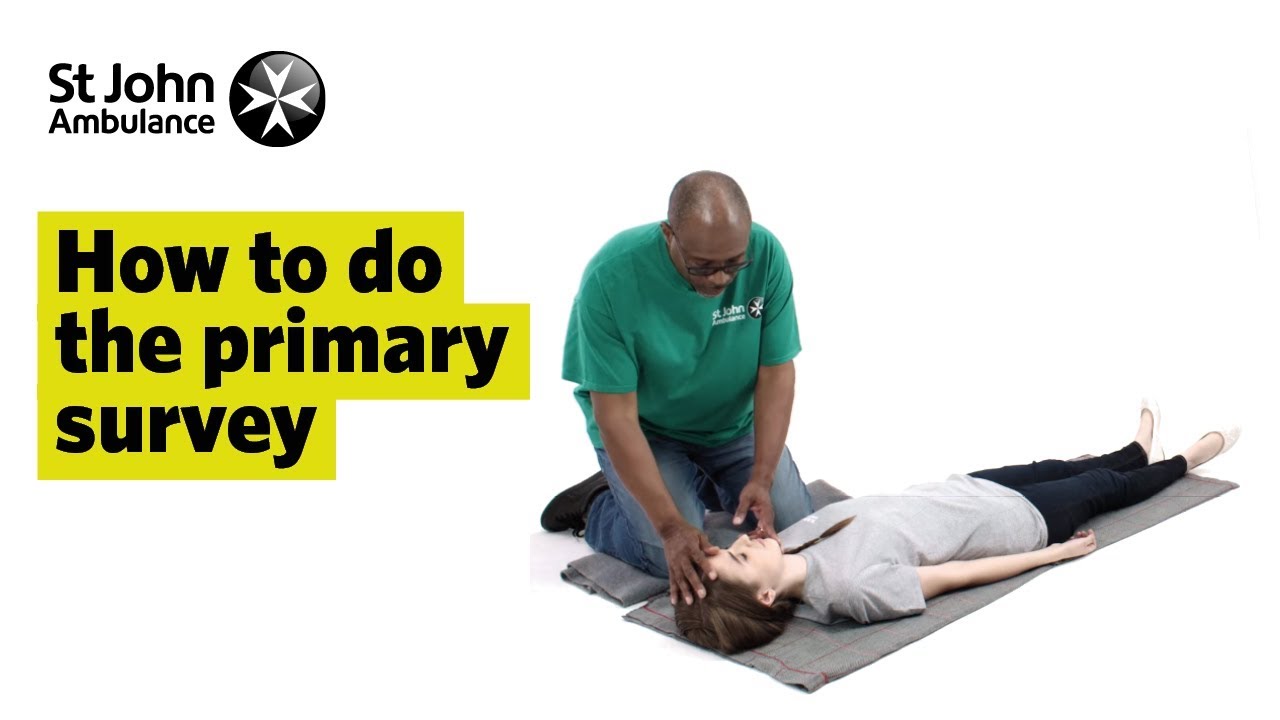
If your personnel leave stating, "That went fast, but I feel like I might actually do this currently", you chose correctly.

Building an interior culture around fast initial aid
One express first aid course will not change a work environment on its own. Safety and security society grows from duplicated signals that emergency situations deserve preparing for, also if they are rare.
There are a couple of basic ways to support the training and obtain more value from it throughout the year.
First, make presence typical. Area AEDs, first aid kits and emergency call points where people in fact see them each day, not hidden in a back office. Usage short, low‑key reminders at personnel meetings to review where vital devices is kept and who the existing first aid officers are.
Second, practice gently. A full‑blown drill is not useful every month, but short, scenario‑based discussions work well. At a tool kit talk, ask "If a person broke down in the storage facility today, what would each people do?" After that fill the gaps.
Third, reduced the mental barrier to acting. Lots of people are reluctant in genuine emergencies due to the fact that they are afraid "doing it wrong". Throughout first aid and cpr training classes, ask the instructor explicitly to speak about Do-gooder protections and the truth that doing something reasonable is far better than doing nothing.
Fourth, preserve energy with refreshers. Skills fade. Research studies suggest that CPR quality drops greatly within a couple of months if people do not practice. Fast cpr courses and really short cpr refreshers, even 30 to 60 minutes throughout a personnel day, can maintain the muscular tissue memory to life between formal recertifications.
When express first aid courses sit inside this sort of society, they are not an isolated occasion. They become one of numerous touchpoints that keep safety and security real and present.
Choosing a provider: concerns that matter
Training top quality differs widely. Two certifications with the exact same title can represent very different experiences. CPR along with first aid course When you are choosing express first aid courses or fast cpr refresher courses, the sales brochure will not inform you what you actually need to know.
A short collection of pointed inquiries normally reveals a whole lot:
- How much face‑to‑face useful time does each individual enter your express first aid course, and how many people are in each group? What proportion of your trainers actively work in emergency services, nursing or paramedicine, and how do you keep their abilities current? How do you tailor first aid and cpr training classes to our particular sector threats and internal emergency procedures? What tools do you bring on site, and the number of manikins or training devices are offered per participant? How do you take care of on-line pre‑learning for team with low computer system confidence or language barriers?
The ideal suppliers respond to with specifics, not generalizations. "Two and a half hours in a team of 12 with 4 manikins" is a much better sign than "Lots of time for every person". "We will request for your risk register and emergency situation strategy ahead of time" is a far better indicator than "We utilize a typical curriculum".
Fast first aid is a quantity service for some organisations. You want the ones that still see each work environment as distinct.
Managing conformity without shedding the plot
In managed industries, compliance requirements drive much of the need for first aid courses. That is not a bad point, yet it can distort decisions. Managers begin with "What does the regulatory authority call for?" instead of "What does our workforce actually require to handle the emergencies we could deal with?"
The technique is to deal with compliance as the floor, not the ceiling.
If your regulatory authority requireds that at least one team member per change holds a current first aid certificate and cpr training, that is the lawful minimum. For a busy distribution centre or a multi‑story office building, depending on a single person per change is poor risk monitoring, also if it maintains you technically compliant.
Express first aid training makes it sensible to go beyond that minimum. You can use fast first aid courses to raise the standard understanding throughout the entire workforce, while still meeting the letter of the requirements with assigned first aid police officers that finish more comprehensive assessments.
Similarly, child care regulations may specify that specific roles need to hold an approved express childcare first aid certificate. Taking the entire educator group via express childcare first aid courses turns that need right into a toughness. Any kind of teacher, in any space, can react quickly while others support.
When you take a look at compliance as a starting factor, not the objective, fast first aid courses and express cpr training end up being devices to build resilience rather than just tick boxes.
Making express first aid operate in technique: an example rollout
To see just how all this integrates, consider a mid‑sized business with around 120 team throughout a head workplace and a little stockroom. They have a couple of aging first aid sets, one AED in function, and three team whose first aid certifications have actually silently expired.
Here is just how they made use of fast first aid and cpr training to elevate the criterion without significant disruption.
They began with an easy risk map, noting typical injuries, clinical conditions among team, and physical format difficulties. They identified that the majority of threat sat in the stockroom and during early morning and late night shifts when staffing was thin.
Next, they set insurance coverage goals that went beyond minimal conformity. As opposed to one first aid policeman per floor, they aimed for a minimum of 2 personnel with present first aid and cpr training on every change in each physical area, plus basic CPR abilities for all supervisors.
They after that arranged an express first aid course for a core group of 18 individuals: storehouse leads, function, facilities and a couple of volunteers from each department. The service provider utilized combined distribution, with about three hours of online first aid course material finished in the week prior, and a half‑day functional session on site.
Alongside that, they set up really brief express cpr training, 90 minutes each time, for all line managers and team leaders who were not component of the nucleus. This provided sufficient experience with CPR and the AED to work as prompt responders while the totally educated first aiders arrived.
Finally, they installed the modification. They updated their emergency reaction plan, moved the AED to a more main area, installed clear signage, and locked in fast cpr refresher courses every twelve month for everybody who had trained.
Within six months, they had not only met compliance, they had improved coverage materially. During a later actual occurrence, when a specialist experienced breast pain in the stockroom, 3 people responded properly prior to the ambulance got here. One initiated CPR when he popular first aid courses near me passed out, one more worked with the AED and emergency situation call, and a third removed the area and met paramedics at the door. That outcome did not occur by luck. It grew from calculated planning, wise use express first aid training, and regular refreshers.
The silent reward of doing it properly
Most of the moment, your investment in fast first aid courses and express cpr training will certainly sit quietly behind-the-scenes. Months might pass with absolutely nothing much more severe than a paper cut or a twisted ankle. That can make training feel like a grudging expense.
The actual reward appears only a few times in the life of an organisation, frequently without fanfare. A child who stops breathing in a child care area however is taking a breath again when paramedics arrive. An associate who makes it through an unexpected cardiac arrest because a person close by remembered their cpr courses and had the confidence to begin compressions. A worker with a major hemorrhage that is managed early sufficient to prevent an extremely different outcome.
Those minutes hinge on numerous little choices: selecting an express first aid course that values method over slides, making time for fast cpr refresher courses as opposed to letting certificates quietly run out, and treating first aid training as part of exactly how you care for your people, not just a regulatory obligation.
If you can look around your office and honestly state that, at any provided minute, at the very least someone close by might handle the very first ten mins of a severe emergency, you remain in a much stronger setting than the majority of. Express first aid training, used attentively, is just one of the quickest methods to obtain there.